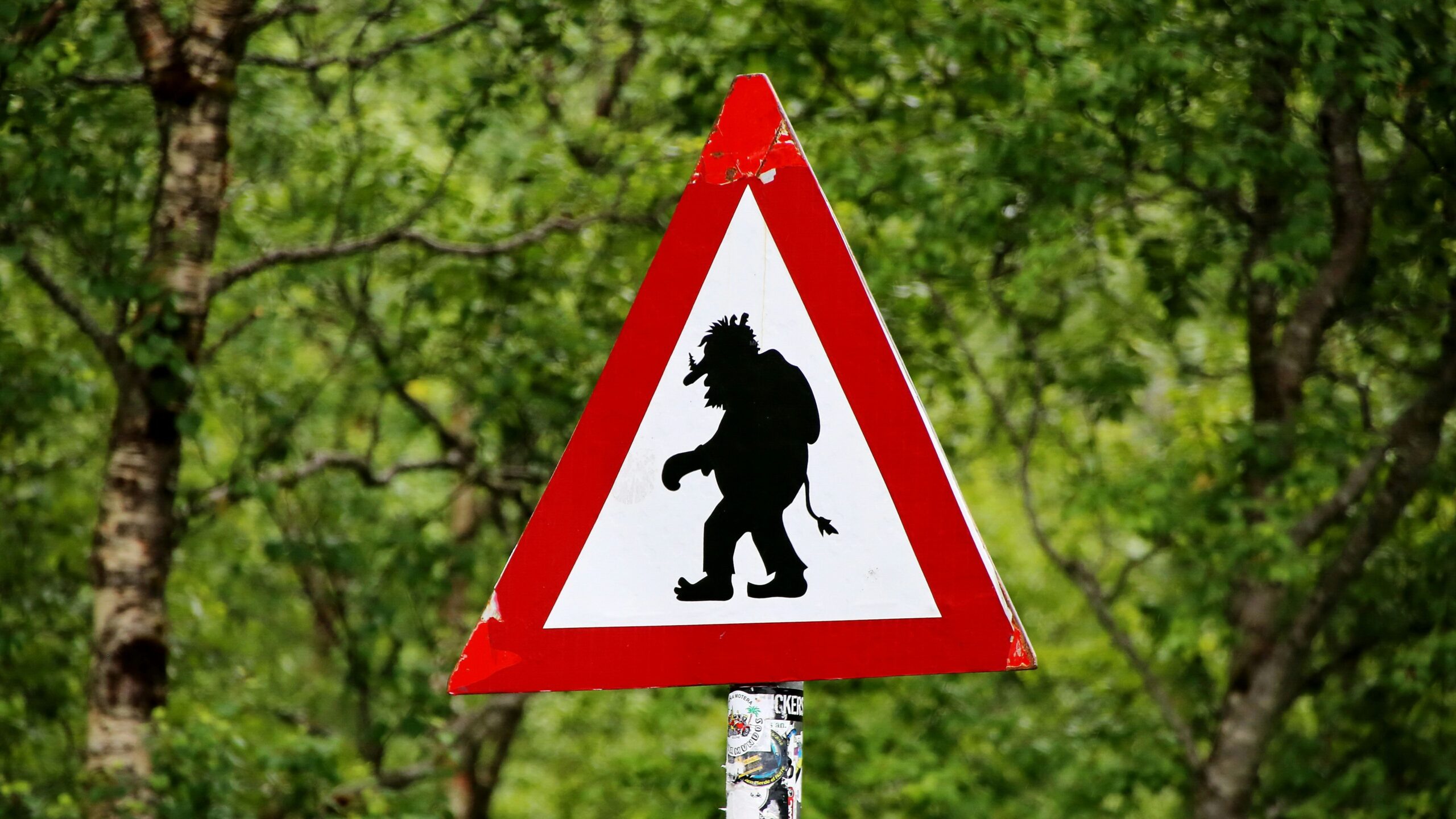
We’ve been seeing a couple of rising trends here at No Spoilers that could cause problems for immersive experience businesses – particularly those with a strong online marketing presence.
They come in the form of two rather unpleasant trolls:
- The cookie troll
- The image troll
Both trolls look to make claims for damages due to the unauthorised use of cookies and breaches of intellectual property (IP), including through the simple use of images on websites, blogs, and online ads.
As an escape room or immersive experience business, you may be unaware of the potential risks involved in using images and cookies without proper consent, but the consequences can be significant. Let’s dive into what this means for you and how to protect your business.
What Is the Cookie Troll Trend?
A “cookie troll” is an exploitative company – often set up specifically to find alleged breaches – that targets websites that deploy cookies without adequate user consent.
Similar to image infringement claims, these companies claim that the use of cookies violates regulations like the UK’s Privacy and Electronic Communications Regulations (PECR) and the General Data Protection Regulation (GDPR). They often send formal letters demanding compensation for the alleged infringement, citing the fines that the Information Commissioner’s Office (ICO) could impose.
These letters may sound intimidating – with all their legal jargon and accusations – but in many cases, they’re nothing more than a tactic to collect payments for alleged violations.
What You Might Face
As a business owner in the immersive experience industry, you could receive an email detailing a cookie breach, accompanied by a claim for damages. These claims might be based on the deployment of non-essential cookies like those used for analytics and tracking without obtaining proper consent.
What’s more, these so-called trolls might use images from your website or online advertising without your permission. They may perform reverse image searches and claim you’ve violated IP rights, asking for compensation.
While it’s important to take these claims seriously, it’s equally crucial to understand that many of these claims are often frivolous. They may be a tactic to get you to pay quickly and avoid the hassle of a lawsuit.
What Do Experts Say About Cookie and Image Troll Claims?
Experts in data privacy and IP law, like Paul Strout from GDPR Assist, have noted that these claims are typically a “sales campaign” by exploitative individuals. They’re unlikely to progress to court as the alleged damages are often minimal and hard to prove. However, Paul advises businesses to ensure they’re in compliance with cookie laws to avoid giving such claims any merit.
And what about image use? As a business in the immersive experience industry, you probably often use pictures to promote your services, whether through social media, websites, or ads. However, using images without proper licensing or permission can lead to claims from copyright trolls. These businesses typically search the web for the unlicensed use of their images and demand compensation.
Insider Advice
“Make sure you have consent for all cookies deployed on your website and ensure any images you use are properly licensed or attributed. Doing so will help you avoid these legal issues and maintain the trust of your customers,” says Paul.
Read more about making sure your digital marketing is carried out safely in Paul’s article.
What Does the ICO Say About Cookie Violations?
In most cases, the ICO will not fine a business for minor breaches of cookie laws. Instead, they issue a letter of non-compliance with guidance on how to fix the issue. However, if a claimant pursues damages after the business has received an ICO letter, it can lead to legal action.
It’s important to note that while the ICO’s decision may be seen as evidence of infringement, it’s not automatically grounds for compensation. The claimant would still need to prove that they suffered a loss, and that’s often difficult to demonstrate in court.
How to Protect Your Business from Cookie and Image Troll Claims
So, what can you do to avoid that intimidating message from the troll? Whether you’re using images to showcase your escape room themes or deploying cookies for site analytics, it’s vital to stay on top of your legal obligations.
Here’s how you can protect your business:
- Review your cookie policy: Make sure your website complies with cookie consent laws. Implement an easy-to-use cookie banner that asks for consent before deploying non-essential cookies.
- Ensure proper image licensing: Always use licensed images or those with appropriate permissions. Avoid using images you find online unless you have explicit consent from the owner.
- Consult legal experts: If you’re unsure about your cookie policies or image use, consult with experts like Paul Strout to maintain compliance and avoid costly legal disputes.
- Engage your insurer: If you receive a claim, check whether it’s covered under your existing insurance. Your insurer can advise you on how to proceed and help mitigate any potential risks.
Insurer Involvement and How They Respond
If you receive a cookie troll or image infringement claim, it may fall under your Professional Cyber Liability insurance policy (assuming you have the right coverage for your cyber risks). In some cases, your insurer might step in to manage the claim and help you through the process.
However, if the claim is relatively small and less than your policy excess, it may be more cost-effective to handle it yourself. That being said, your insurer can offer guidance on how to proceed – especially if the issue escalates.
What to Do If You Receive a Claim
You have a few options:
- Review the claim: Assess the validity of the claim. If it’s a cookie breach, check if you have a proper cookie policy in place. If it’s an image infringement, confirm whether you have the necessary licenses for the image in question.
- Seek legal advice: If the claim seems legitimate, or you’re unsure, seek advice from a legal professional who can help you navigate the complexities of cookie and IP laws.
- Consider a settlement: Some trolls may offer a settlement to avoid legal action. It’s up to you whether you want to settle, but make sure you weigh the costs carefully.
- Ignore or respond: If the claim seems to be a scam or a fishing expedition (as it is in many cases), you might choose to ignore it… though you risk escalating the situation.
Protect Your Escape Room or Immersive Experience Business with No Spoilers
Cookie trolls and image infringement claims are becoming more common, and businesses in the immersive experience sector aren’t immune. Whether you’re running an escape room, immersive theatre, or interactive experience, it’s essential to ensure your website and online materials comply with legal requirements.
By taking proactive steps to ensure you’re following the law and have the right insurance coverage in place, you can mitigate the risk of falling victim to these potentially costly and time-consuming claims.
That’s where No Spoilers comes in. If you’re concerned about cookie trolls or IP infringement claims, get in touch with us today. We’ll help you navigate these issues and secure the right coverage for your business. Call us on 0161 533 0411 or fill out our contact form, and one of our experts will get back to you.
Photo by Mark König on Unsplash