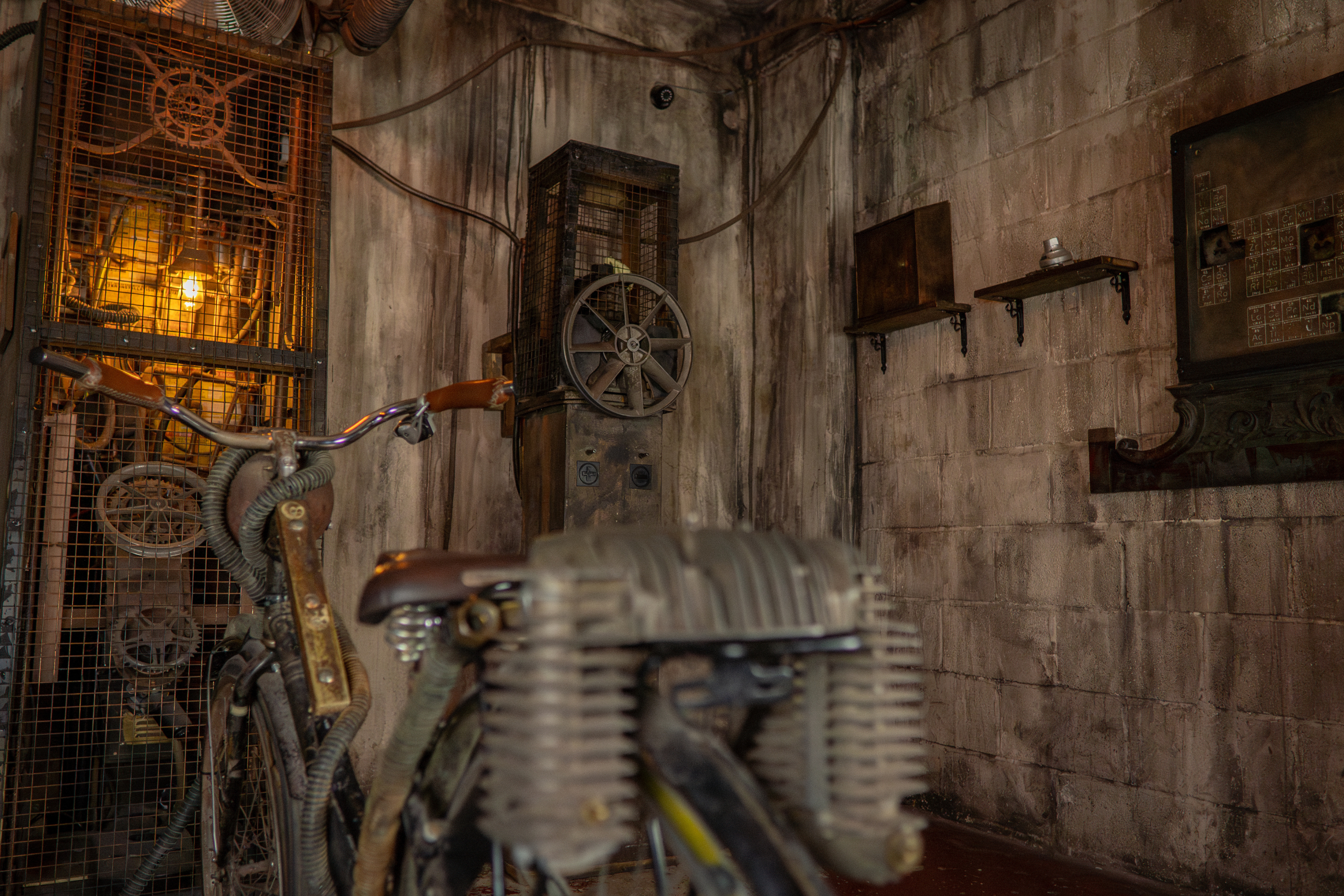
Running an escape room is all about creating immersion, mystery and excitement. But when that business operates in a basement or partially below ground, the very atmosphere that draws players in can also raise a few extra red flags for insurers.
At No Spoilers, we see it every day: the UK’s increasingly tight commercial rental market compels many operators to maximise every square foot – including basement space. And it makes perfect business sense. But insurers will probably ask more questions.
Here’s why…
Property risks: water, structure and access
A basement location brings a series of property-related hazards that are less prevalent, and sometimes less obvious, than in a standard above-ground unit.
Flooding and escape of water
Basements are inherently vulnerable to rising groundwater, heavy rainfall, blocked drains or failed sub-floor waterproofing. And if water enters the space, the damage isn’t just to décor and electronics but potentially the building’s structure, electrics and complex set design.
Standard escape room insurers are well aware of these risks.
Escape of water from plumbing
Because many basements share building services (like pipes, drains and plant rooms) and may be under other units, an innocent leak one floor above can flood or damage a basement escape venue.
Structural, damp and humidity issues
Ventilation may be limited. Dank corners, hidden voids and dense set pieces can trap moisture, leading to mould, rot, and the corrosion of tech and fixtures.
These degrade your assets and push up the costs to repair and rebuild.
Access for fire services and contractors
Basements may have narrow stairs, hidden access, or limited external disposal points. If insurers see that contractors would struggle to reach the building’s systems or if fire brigade access is constrained, they’ll expect claims to be more serious.
Business interruption
If water damage or structural issues force you to suspend bookings, you’ll want cover for interruption. Often the bigger risk for operators is not the cost of rebuilding, but the loss of trading while they rebuild.
Given these factors, insurers will typically ask for full disclosure of basement usage.
Liability risks: lighting, evacuation and the immersive experience
Beyond property risk, the basement environment adds complexity to how you operate safely, and insurers will treat that as elevated risk.
Reduced natural light or a greater reliance on artificial lighting
Immersive rooms often intentionally use low light to set the mood. But when that’s in a basement with no windows, the visibility for participants, staff and emergency services is lower. That means slips, trips or collisions become more likely, or potentially more serious when they do occur.
Escape, evacuation and signage
Basements can have fewer direct exits, longer evacuation routes, or routes that go via stairs or corridors.
Insurers will want assurance that emergency lighting, signage, alarms and staff training are all appropriate for the configuration, not just the theme. If participants have to pass through several set pieces to exit, the liability dimension grows.
Ventilation, lighting failures and tech breakdown
Below-ground rooms may have greater reliance on mechanical ventilation, artificial lighting and power backup, and therefore more “moving parts”. A power cut or ventilation failure in a basement room might pose additional danger.
Trip hazards hidden by design
Immersive sets often use deliberate disorientation. In a low-light environment, the risk of a participant injuring themselves is therefore higher.
Insurers will want to see evidence of a robust risk assessment, visible and unobtrusive signage, staff supervision and CCTV monitoring.
What impact does this have on my insurance?
Insurers will interpret a basement location as “higher risk” simply because of the combination of property and liability factors we’ve mentioned. As a result:
- You may face higher premiums or stricter underwriting.
- You may need to demonstrate additional controls, such as clear evacuation route mapping or staff training focused on basement hazards.
- You’ll need to ensure your sums insured reflect the true cost. Basement rebuilds and specialist set design can be costlier than you expect.
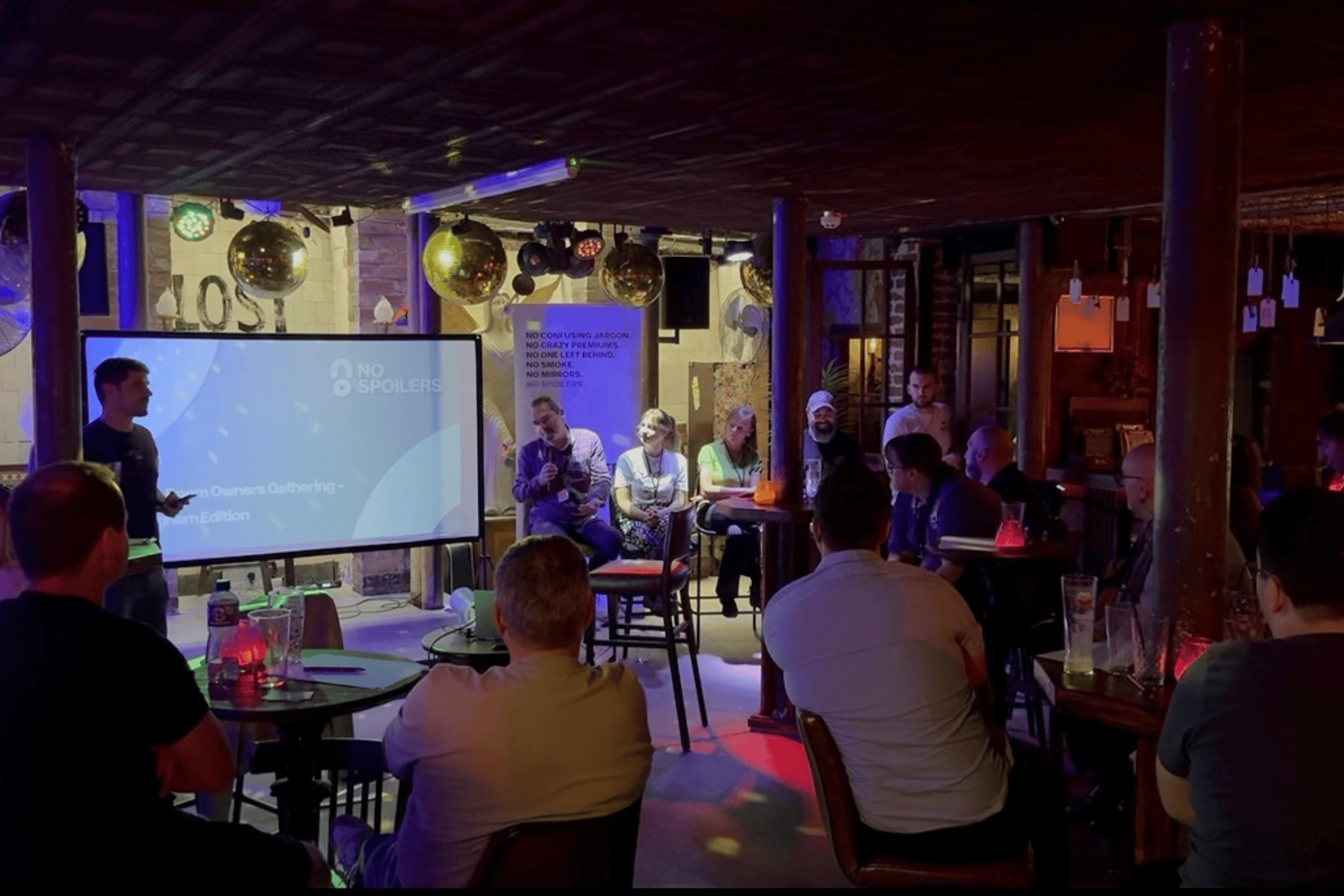
At No Spoilers, we work closely with escape rooms and immersive venues to help them navigate precisely these kinds of issues.
Partner with a specialist escape room and immersive attraction insurance broker
The basement option often makes good business sense, but the key is to recognise that insurers will treat it differently and to proactively manage the extra risks.
If you’d like help assessing your current premises or getting cover that reflects your realities (not generic “high-risk” assumptions), drop us a line. Your venue may be underground, but finding the right insurance doesn’t have to leave you in the dark.
Photo by Escape Games Nottingham – Escapologic®